General contractors bring us in for the same reason they bring in a trusted structural engineer or a dependable framing crew: predictability. Technology scope on a luxury custom home touches nearly every trade on site, and when it is poorly coordinated, it becomes a source of change orders, callbacks, and schedule slip. When it is planned early and executed by a single accountable low voltage contractor, it disappears into the build.
Technology decisions made after drywall are expensive to fix and hard on a schedule. Technology decisions made at the plan set stage are simply engineering. Through The Builder Ready Program™, we review architectural and structural drawings before permit, flagging conduit runs, equipment locations, structural loading for displays, and network pathways while they are still easy to change.
Our design and planning work, ACT Studio™ — Design. Plan. Integrate. — produces rough-in packages your electrical contractor can bid and build from directly, reducing back-and-forth during framing.
Every ACT project follows ACT Blueprint™, our nine-step process for taking a home from plan set to fully commissioned system. On a builder-partnered project, that process is mapped directly onto your construction schedule rather than run as a parallel track: our milestones are named the same way your superintendent's milestones are named — permit, rough framing, insulation, drywall, trim, final.
The result is a technology scope that behaves like any other trade on your schedule of values, with clear deliverables at each phase and no ambiguity about what is expected of the site team or of ours.
Low voltage touches electrical, HVAC, framing, drywall, millwork, landscape, and pool trades at different points in the build. We coordinate directly with each of those trades' foremen, not just through the general contractor, to resolve conflicts before they become field issues.
Our field leads attend framing walks, OAC meetings, and pre-drywall inspections as needed, not as a standing courtesy. We show up when a decision affects our scope or when our scope affects another trade's sequencing, and we come prepared with drawings, not questions the drawings should already answer.
For builders managing several trades on a single walkthrough, this means one fewer meeting to schedule separately and one fewer trade to chase down for a rough-in sign-off.
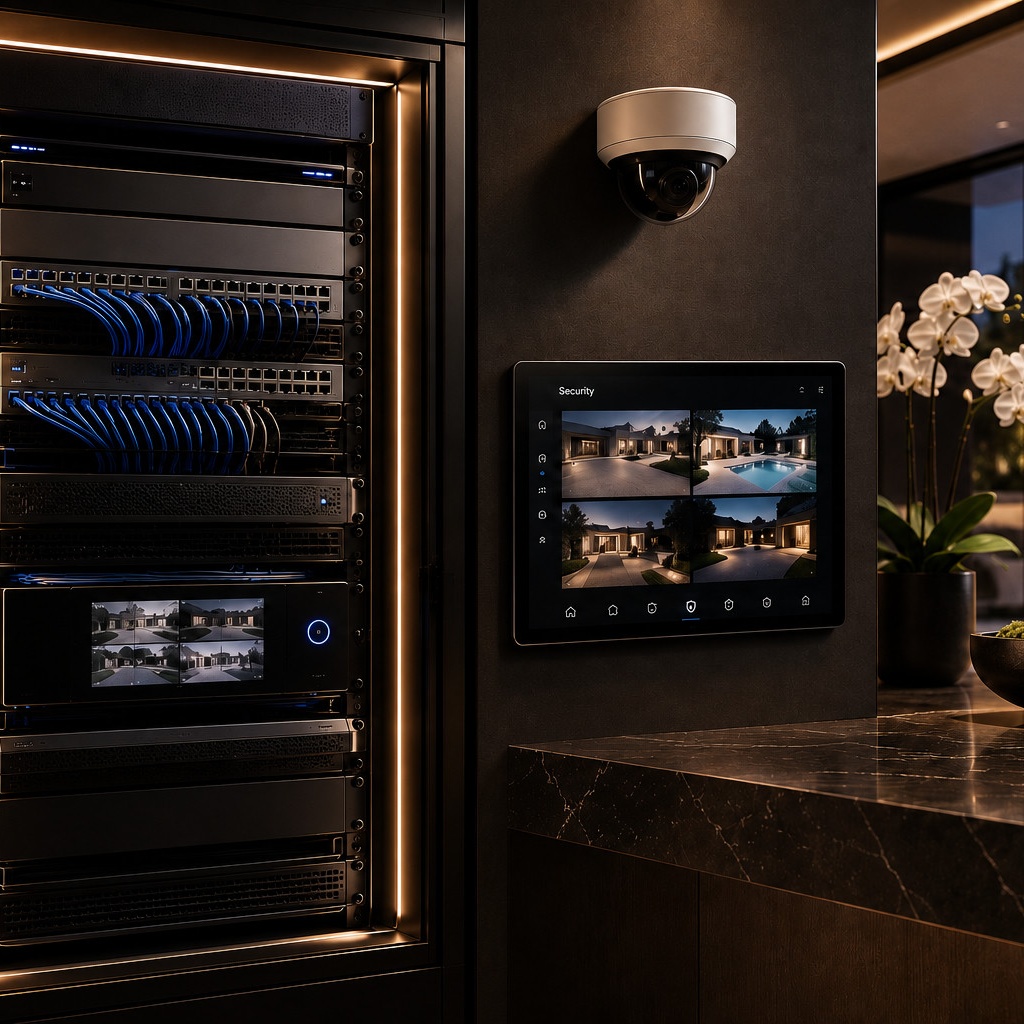
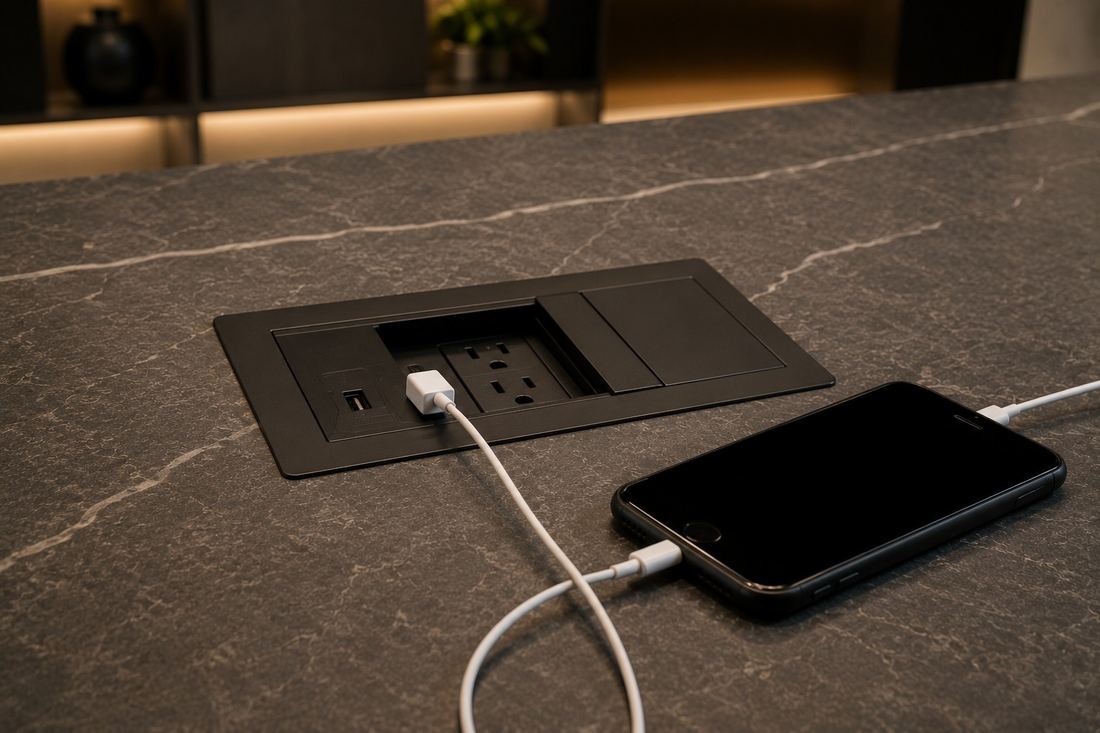
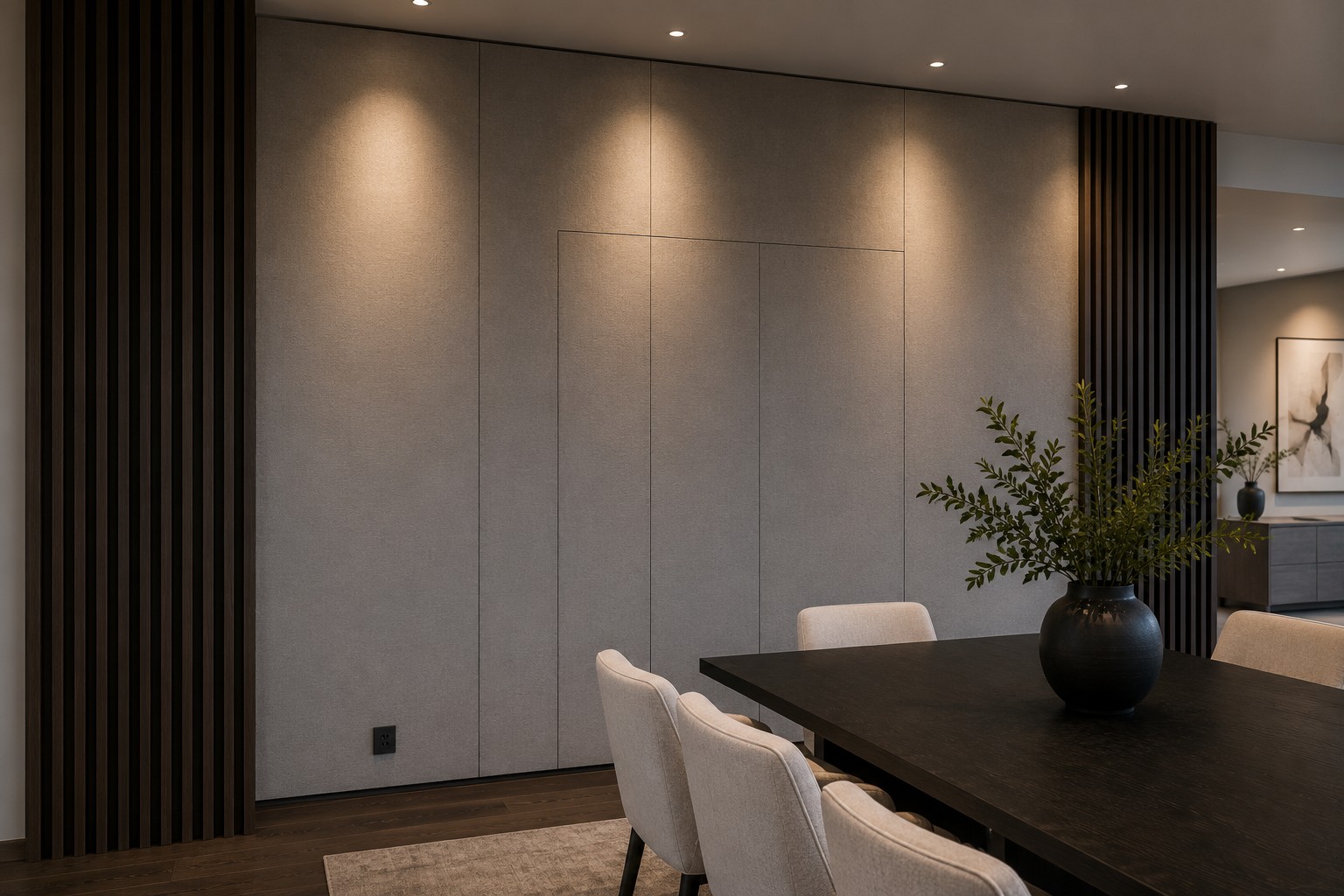
Consistent rough-in is what makes Invisible Technology™ and Quiet Technology™ possible later in the build — concealed speakers, hidden displays, and equipment that runs silently in a closet rather than a media room. Our rough-in standards are documented and repeatable across every project.
We schedule against your construction calendar, not the other way around. Rough-in crews are dispatched around framing and insulation windows, trim crews around drywall and paint, and commissioning around substantial completion. When a schedule shifts, we move with it and communicate the impact rather than letting it surface as a surprise at final inspection.
For builders juggling multiple luxury projects at once, this predictability is often the deciding factor in choosing a low voltage contractor.
Every rough-in is inspected against the approved drawing set before drywall closes, and every termination is tested before trim. Punch items get resolved at the trade level, before they can become a general contractor's problem at final walkthrough.
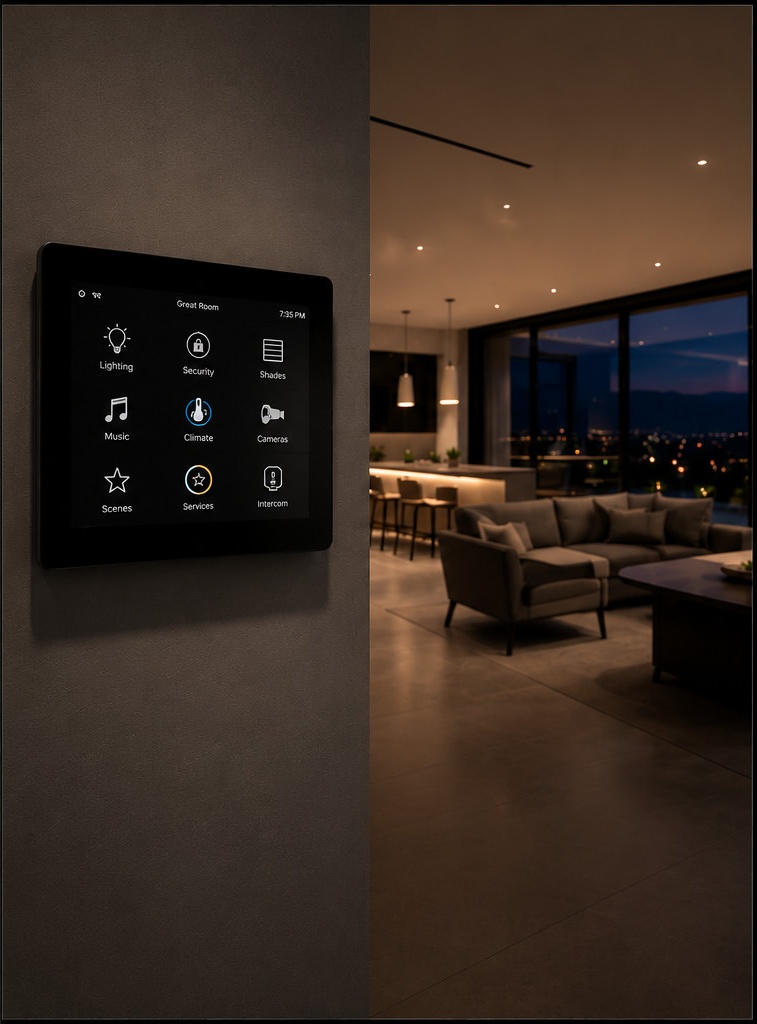
Commissioning is where the individual systems — audio, video, lighting, shades, networking, security — are programmed to work together as one, unified through One Touch Living™, our approach to simplified, single-interface control. Simplify. Automate. Control. The homeowner receives a fully tested, ready-to-use home, and the builder receives a clean, documented handoff.
Every commissioned project meets our ACT Ready Home™ standard: tested, labeled, and documented before the client ever walks through the door.
Our relationship with a project does not end at final commissioning. ACT provides warranty support and ongoing client service directly, which means builders are not fielding technology service calls months after closeout. Homeowners work with the same Luxury Technology Advisor and field team who built the system from day one.
Builders who want to see our planning approach in more detail before their next project kicks off can download the Builder Technology Planning Guide, which walks through rough-in standards, trade coordination, and scheduling milestones in greater depth.
Ideally before permit, while architectural and structural drawings are still in development. Early involvement lets us engineer rough-in around the plan set rather than retrofitting scope after framing.
Yes. We coordinate conduit, panel locations, and power requirements directly with your electrical contractor's foreman to avoid conflicts and keep rough-in on the same schedule as the rest of the trade.
We schedule our crews against your construction calendar and adjust as your dates shift. Our team communicates any downstream impact as soon as a change is known, rather than letting it surface at final inspection.
We serve luxury custom home builders along coastal California, from Santa Barbara to San Diego.
ACT provides warranty support and ongoing service directly to the homeowner, with the same Luxury Technology Advisor and field team involved from the original build.
Get the Builder Technology Planning Guide — a print-ready PDF reference, branded and ready to share with your team.
Schedule a consultation with a Luxury Technology Advisor.
Schedule Your Consultation