Dolby Atmos is the audio format that added height to surround sound — instead of channels tied to fixed speaker positions, Atmos treats sound as individual objects placed anywhere in 3D space around and above the listener, including overhead. Here's what that actually means for how a theater is built.
Traditional surround formats (5.1, 7.1) assign audio to a fixed number of channels, each tied to a specific speaker position. Atmos instead encodes sound as individual objects with metadata describing where they should be in 3D space — the system then renders those objects to whatever speakers are actually in the room. That's why the same Atmos soundtrack scales cleanly from a 5.1.2 media room to a 9.1.6 reference theater.
A configuration like "7.1.4" breaks down into three numbers: 7 surround channels, 1 subwoofer, and 4 height channels (overhead or upward-firing speakers). The height channels are what actually deliver the "object above you" effect — rain, aircraft flyovers, and other overhead effects Atmos is known for.
Atmos content is fully backward compatible — a soundtrack mixed in Atmos still sounds great on a standard 5.1 or 7.1 system. You lose nothing by not having height channels; you simply gain a real dimension when you do.
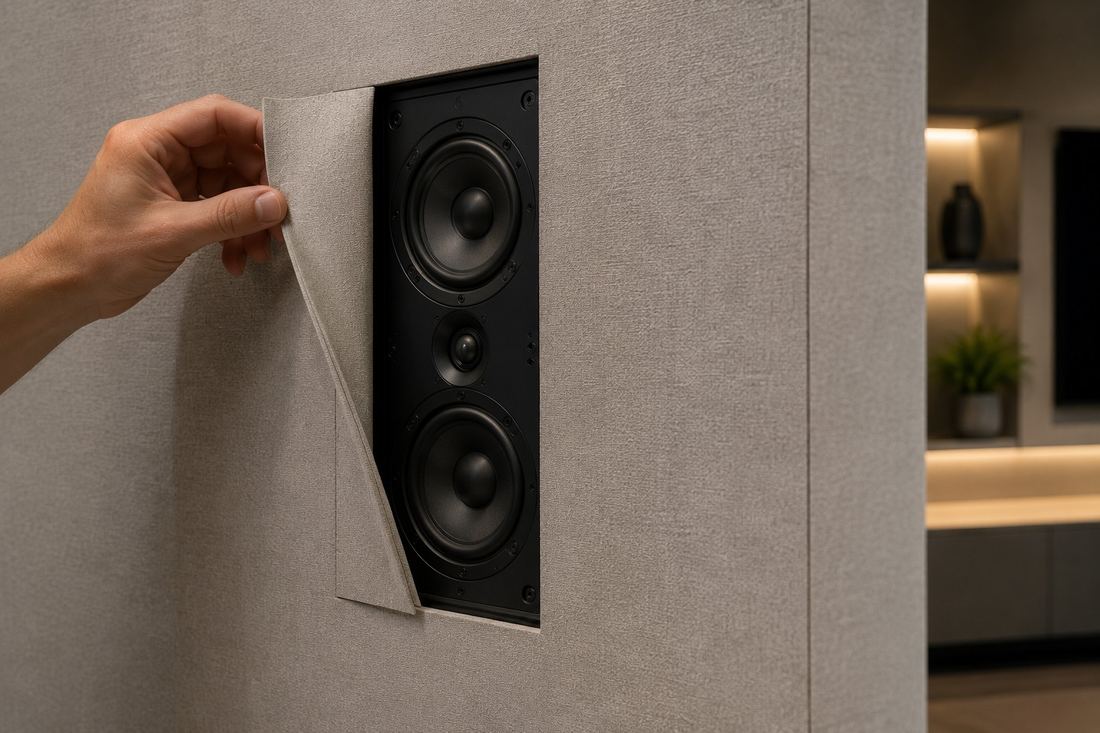
In-ceiling speakers deliver the most accurate height effect and are what we specify for new builds. Upward-firing modules are a legitimate retrofit option when ceiling access isn't available.
Yes — the vast majority of new theatrical releases and a large and growing share of streaming content is now mixed in Atmos, making it a mainstream format rather than a niche one.
5.1.2 — five surround channels, a subwoofer, and two height channels — delivers a genuine, noticeable Atmos experience in most media rooms.
Yes — the AV receiver or processor needs to support Dolby Atmos decoding and have enough amplified channels (or pre-outs) to drive your specific height channel count.
See the full Home Theaters service, or read the Ultimate Home Theater Guide for how every tier comes together.
Explore Home Theaters