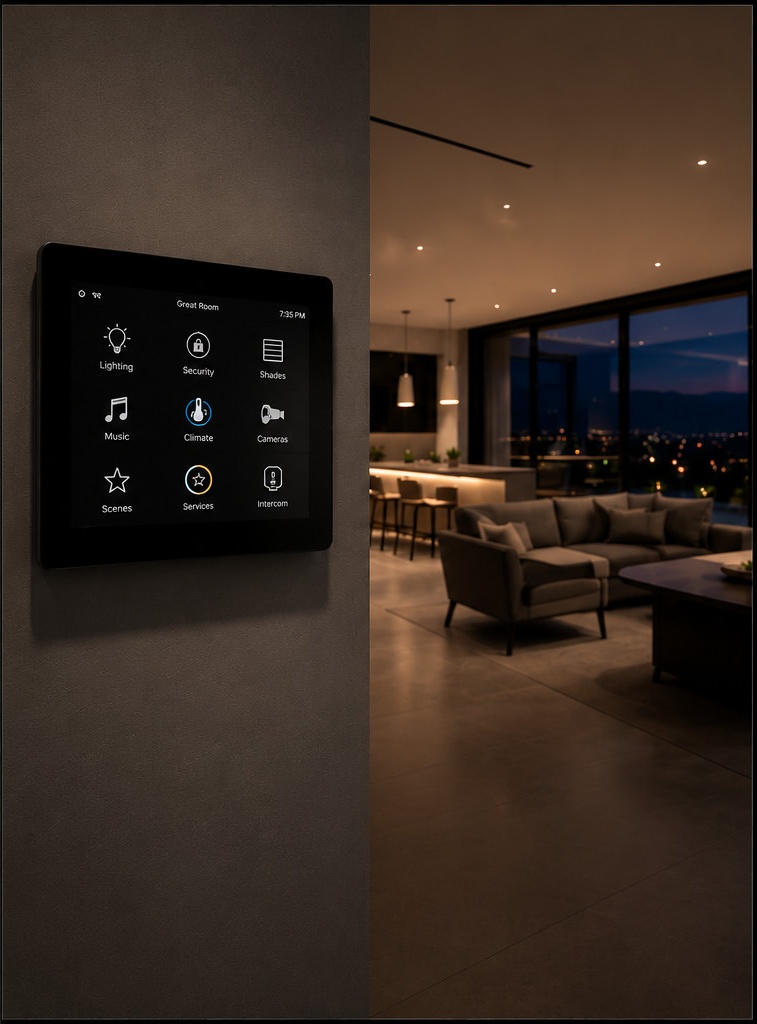
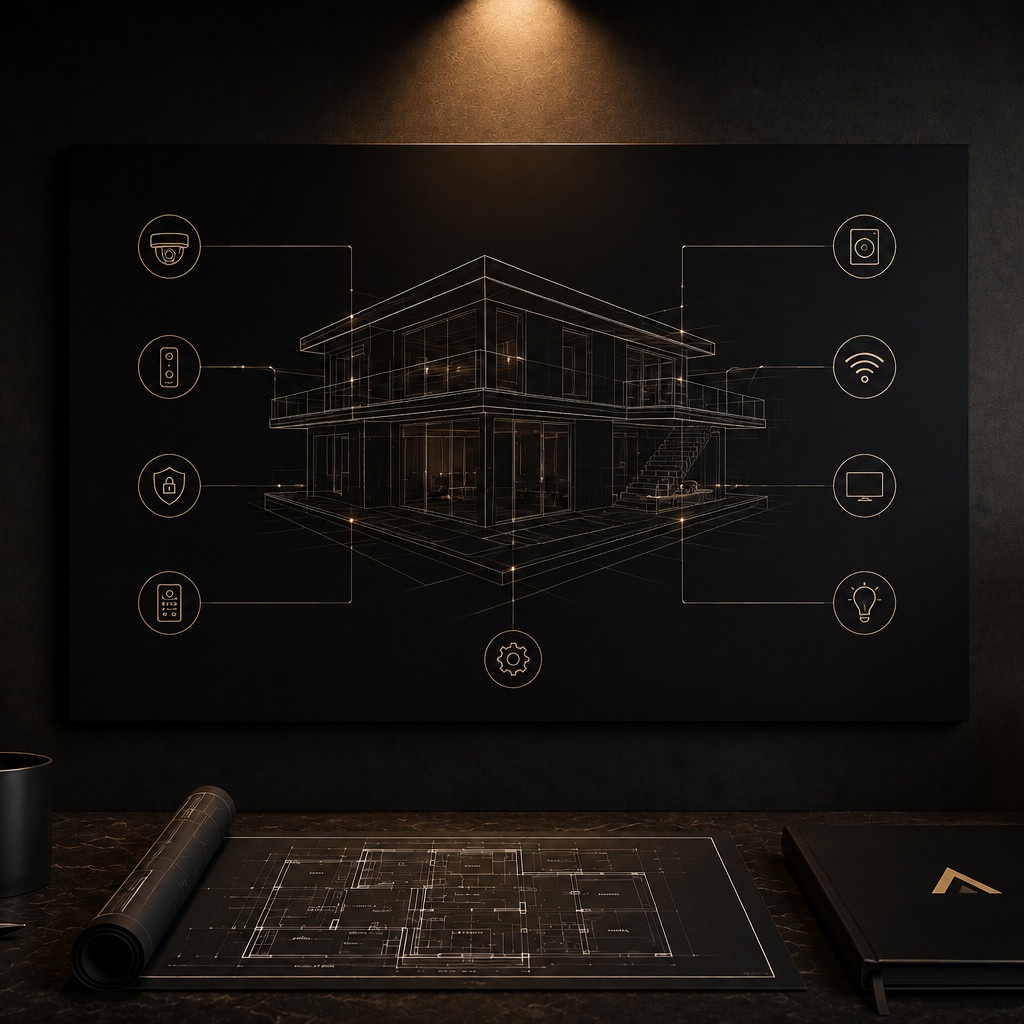
Not a pile of gadgets. Not an app for every device in the house. A true smart home is a single system — lighting, shades, audio, video, security, and climate — that behaves like one coordinated piece of architecture rather than a dozen unrelated products fighting for attention.
The single biggest factor in how a smart home performs, and how much it costs, is when planning begins. Technology decided after drywall is technology that compromises — visible conduit, retrofit speakers, wireless workarounds. Technology decided at the architectural drawing stage becomes invisible, permanent, and far less expensive to install.
A smart home isn't uniform — a kitchen has different needs than a primary suite, and a home office has different needs than a media room. Good planning treats each space on its own terms.
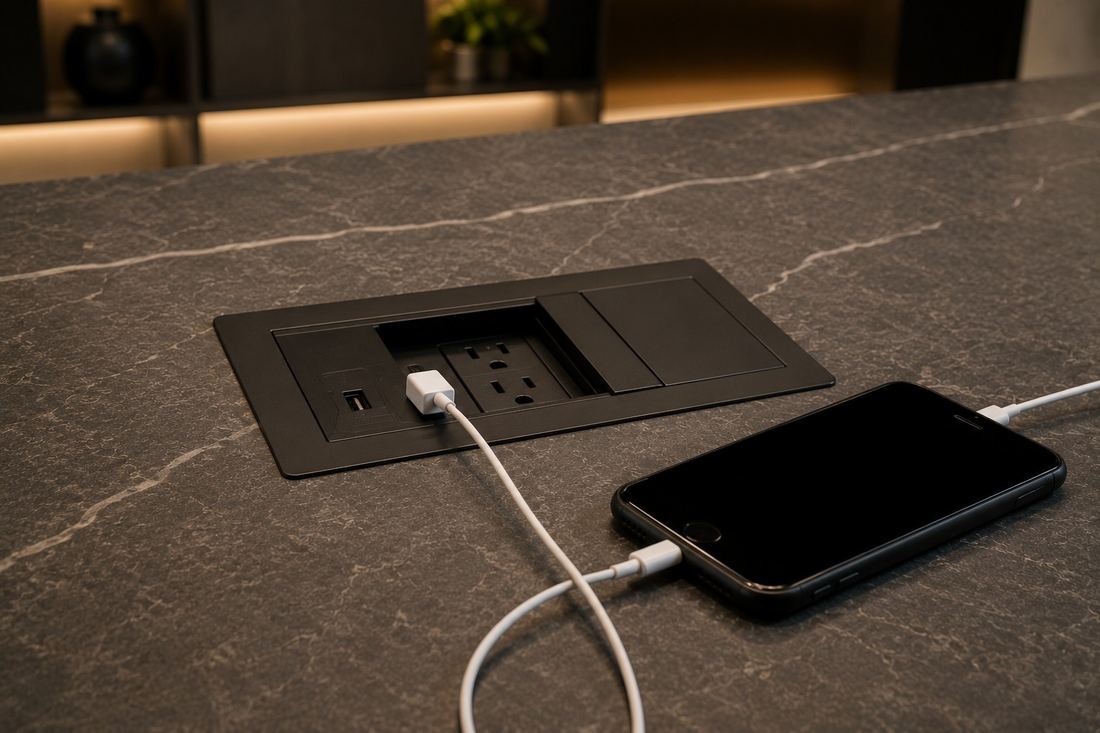
A kitchen island, for example, can hide a pop-up outlet flush in the countertop — power and charging on demand, with no visible outlet strip breaking up the stone. It's a small detail, but it's the kind of detail that separates a house with technology in it from a home designed around how people actually live.
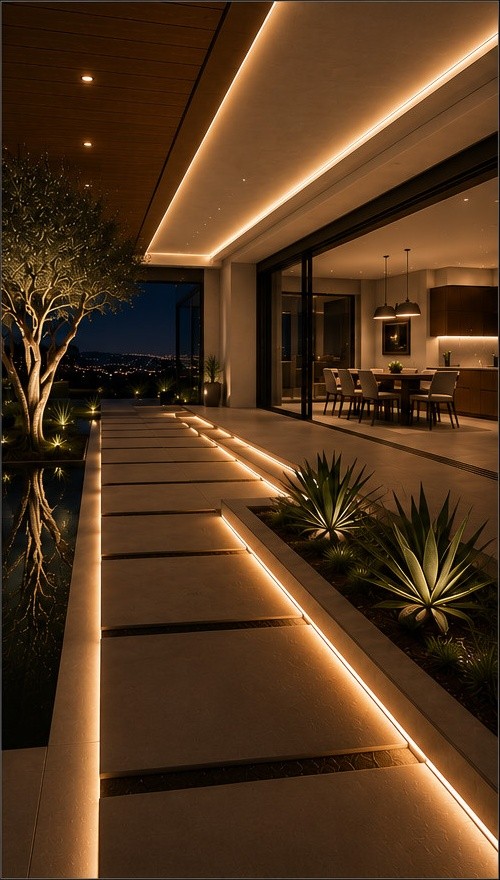
Lighting sets the mood of a home more than any other system, and it's usually the first thing a homeowner notices once it's done well.
Shades are one of the more underrated pieces of a smart home — equal parts comfort, privacy, energy efficiency, and daily convenience.
Music in every room, on one system, controlled from a single app or keypad — that's the baseline. What separates a great whole-home audio system is how little of it you can see.
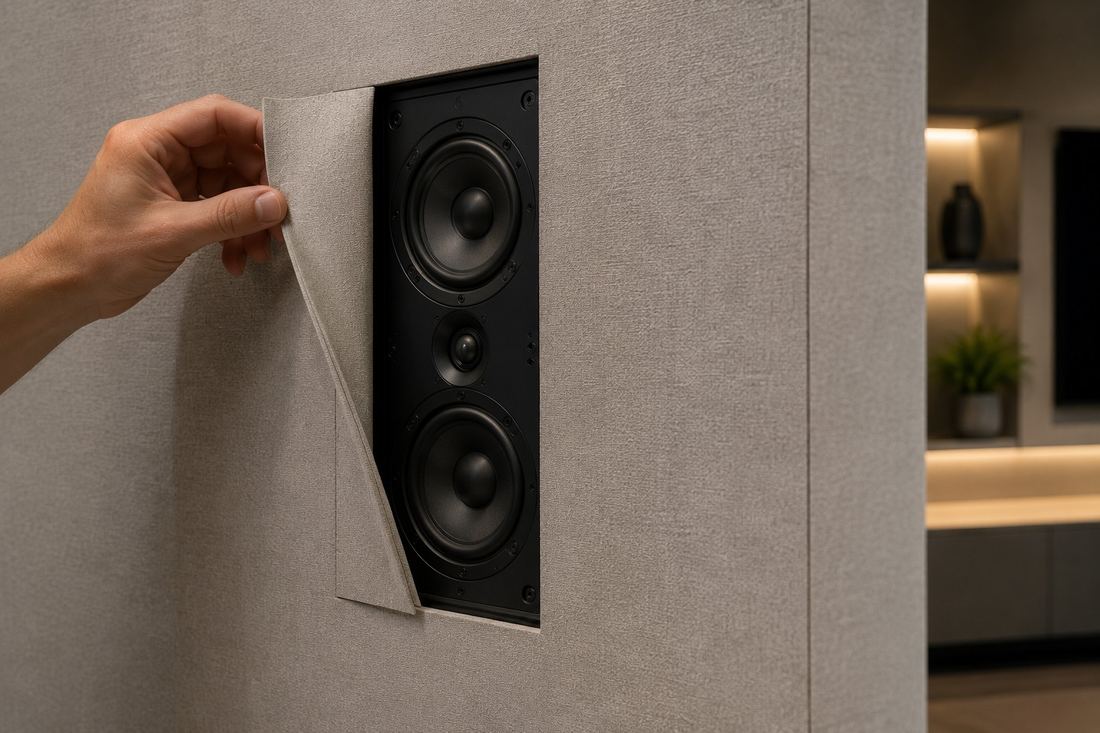
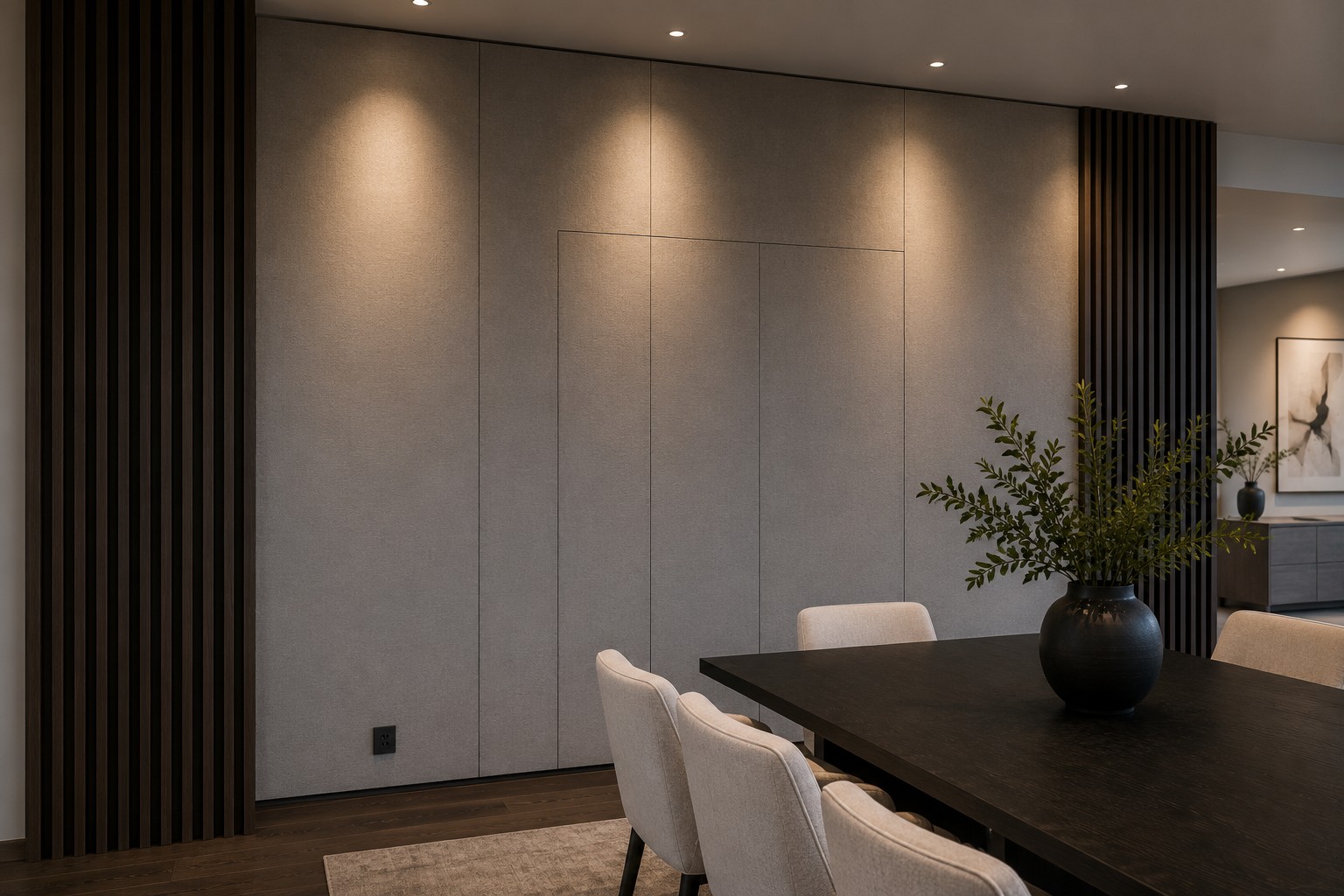
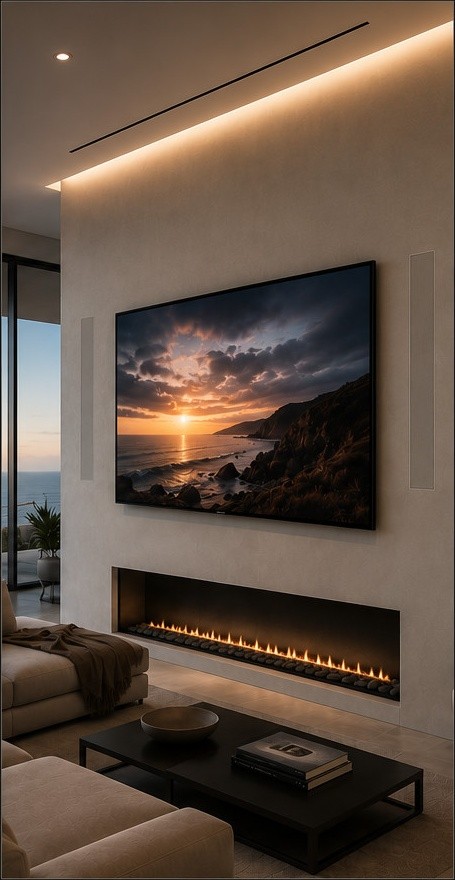
In-wall and in-ceiling speakers, built behind acoustically transparent fabric panels, disappear entirely into the room while delivering true stereo sound. That's Invisible Technology™ in practice — performance a dedicated speaker cabinet would deliver, with none of the visual footprint.
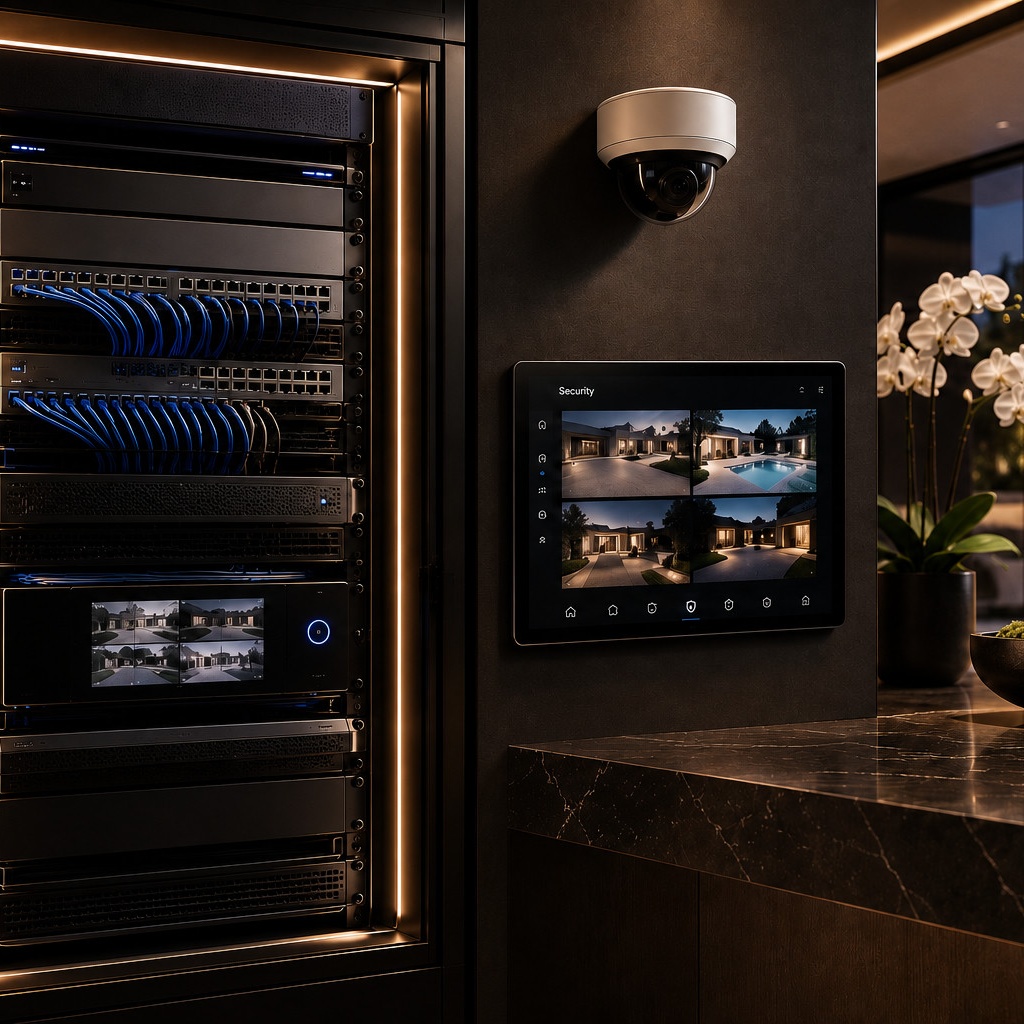
On a smart home platform, security stops being a separate system with its own app and becomes part of how the house behaves.
Every scene, every stream, every camera feed depends on the network underneath it. A luxury property with a builder-grade router is a luxury property waiting for a problem.
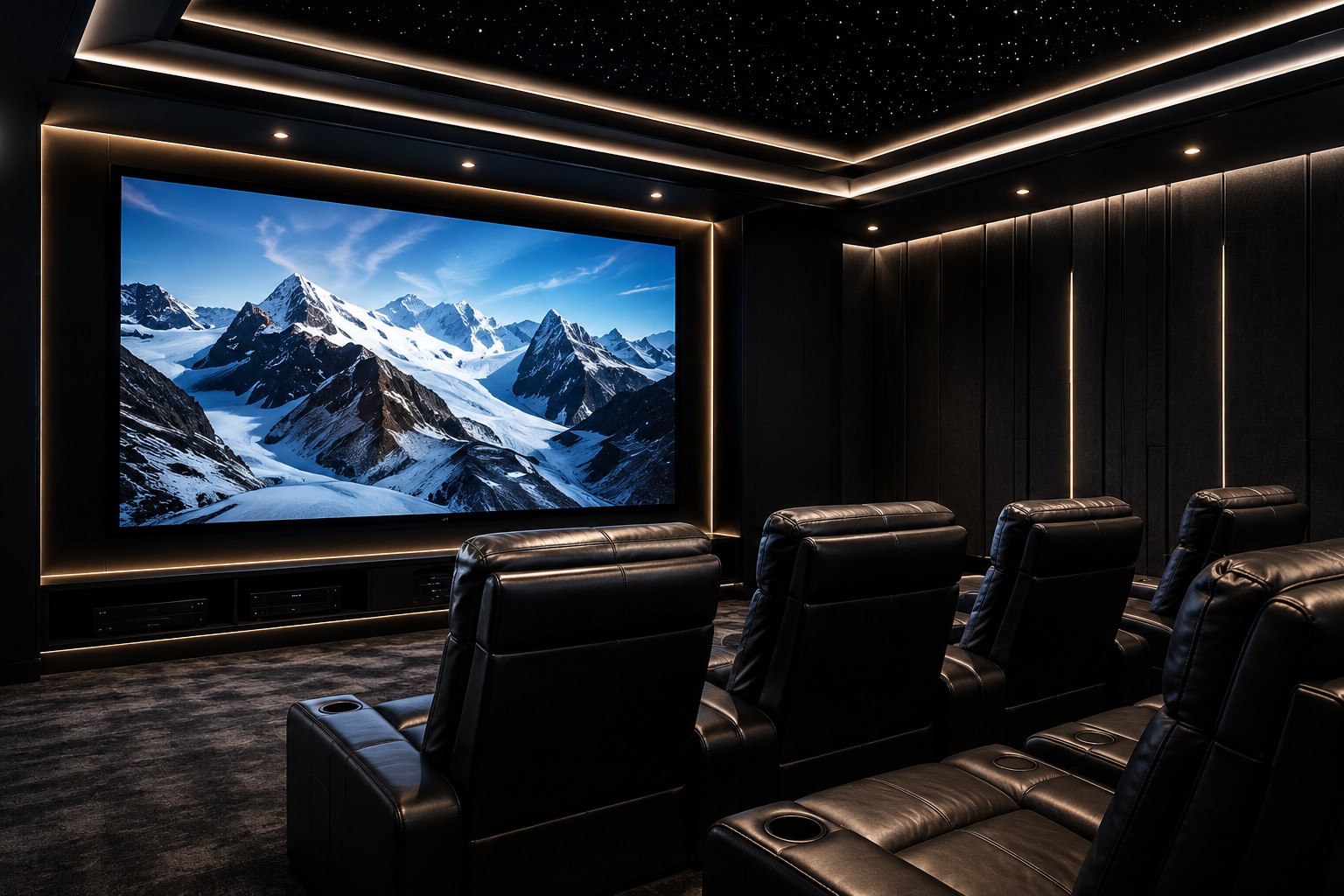
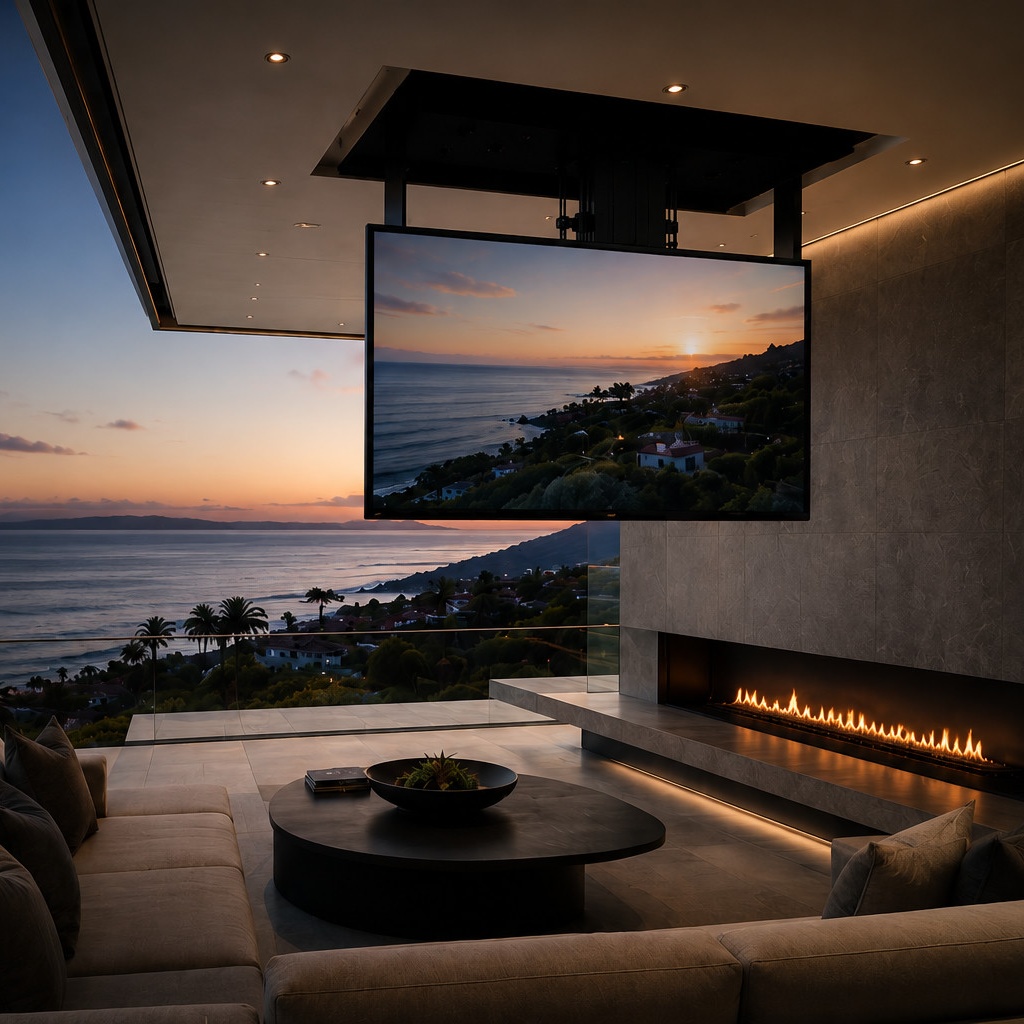
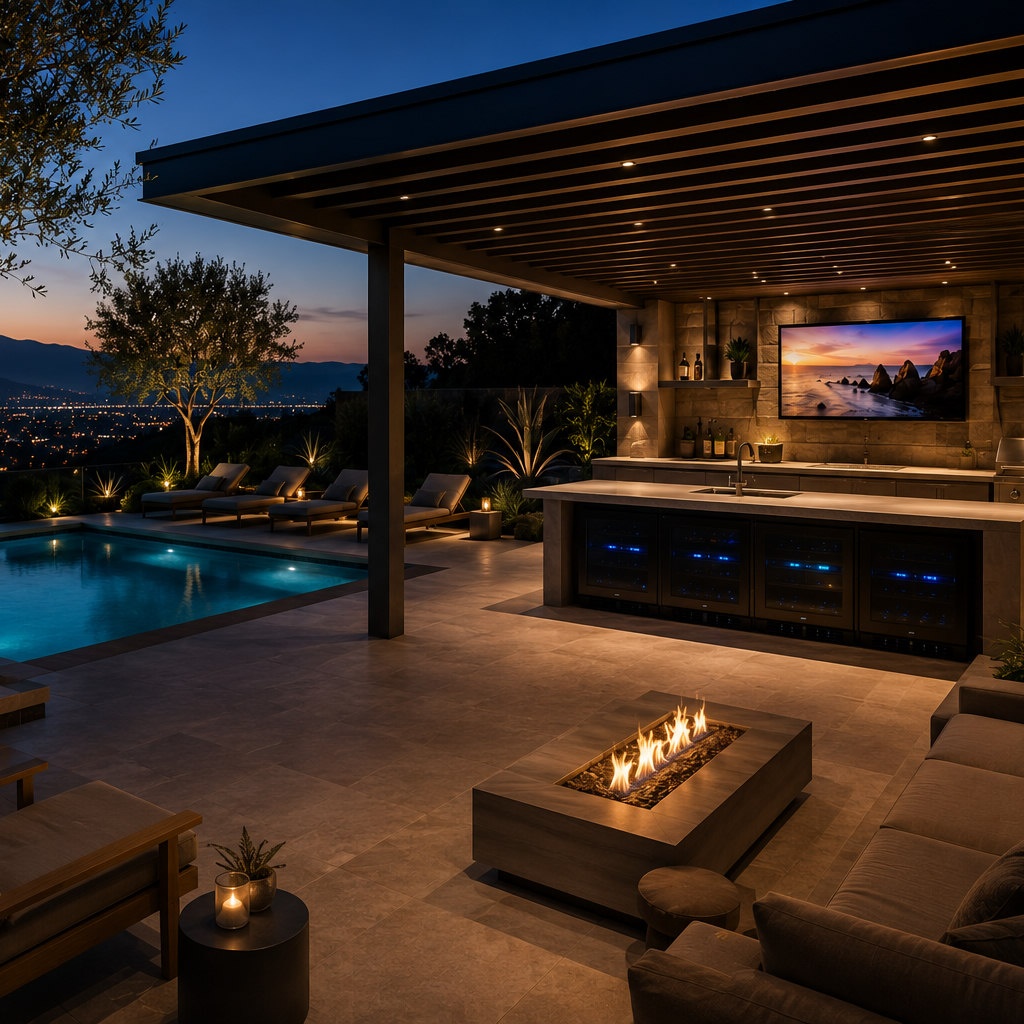
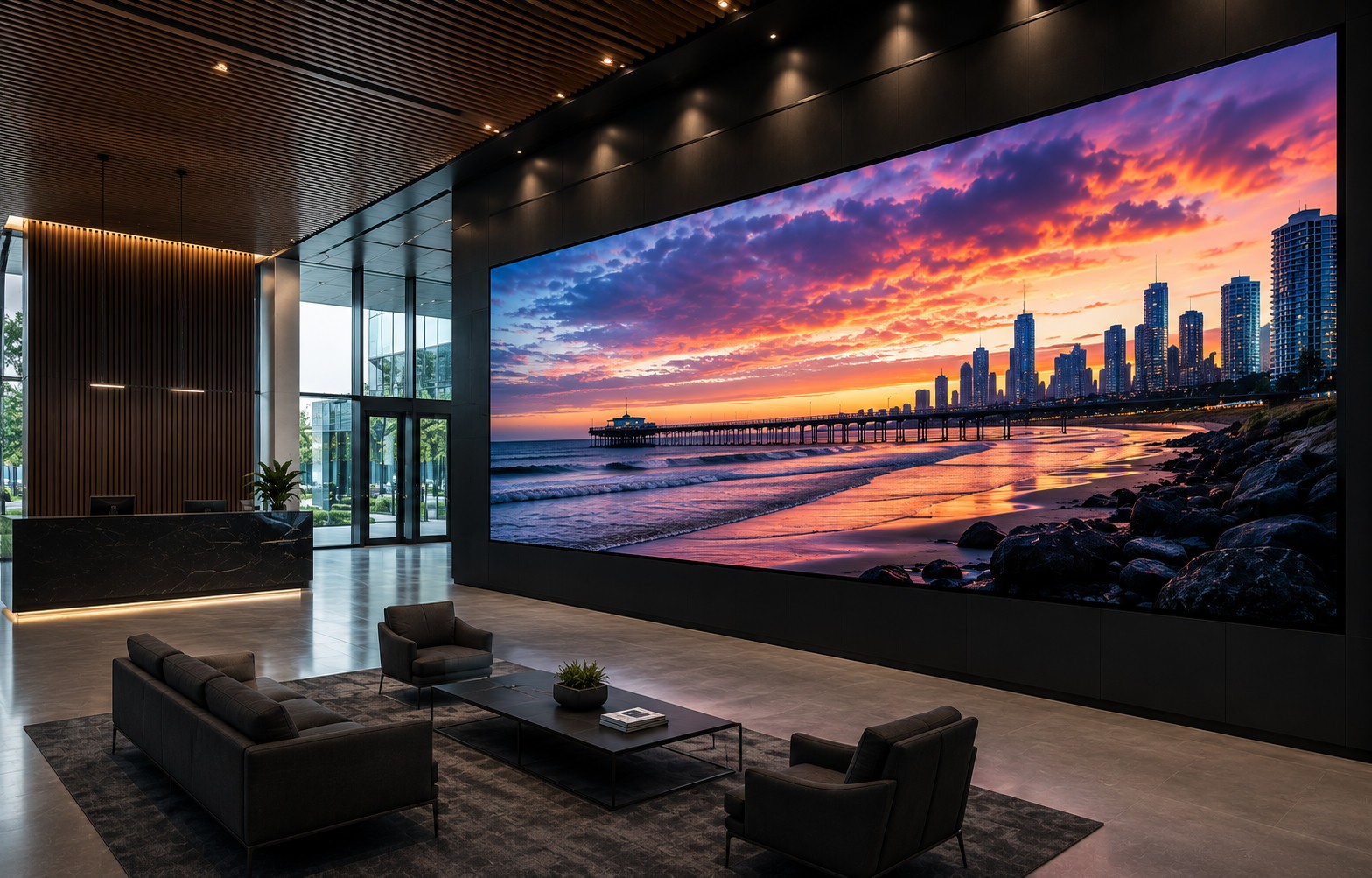
Entertainment technology ranges from a single well-placed television to a dedicated screening room, and the right answer depends entirely on how a family actually uses the home.
Voice is best treated as one entry point into the system, not the entire system. Used well, it's a fast way to adjust something without reaching for a keypad or a phone.
Technology changes faster than the homes it lives in. A smart home planned well today should be able to absorb tomorrow's upgrades without a renovation.
Cost varies enormously by square footage, the number of rooms involved, the level of concealment required, and how early planning starts relative to construction. Rather than a single number, it helps to think in tiers.
Core lighting and shade control, a whole-home audio foundation in the primary living areas, and a reliable network. A strong starting point for a home automation system that covers daily life.
Whole-property lighting and shade control, audio and video extended to most rooms, integrated security, and a dedicated entertainment space. The most common scope for a fully realized ACT Estate™ project.
Comprehensive coverage across the home and grounds, a dedicated home theater, extensive Invisible Technology™ integration, and a network and security system built to enterprise standards.
Every property is different, so we don't publish fixed pricing. The most accurate way to understand investment for your home is a conversation with a Luxury Technology Advisor — schedule a consultation, or explore room and screen options first in the ACT Theater Builder™.
As early as possible — ideally alongside your architect, before construction drawings are finalized. Wiring decided at that stage is nearly always less expensive and less visible than anything added after drywall.
Yes. Retrofits are common and often use wireless lighting and shade control, along with strategically placed equipment, to avoid opening walls. It generally costs more than pre-wiring during construction, but a well-planned retrofit still achieves a fully integrated result.
ACT Installs designs primarily on Control4 because of its reliability, flexibility, and track record supporting whole-home systems over many years. We can discuss your specific needs and existing devices during a consultation.
Not if it's planned correctly. Invisible Technology™ — concealed speakers, hidden displays, flush outlets, and discreet control points — is a core part of how we design, so the architecture stays the focus.
It depends heavily on scope and whether the home is new construction or an existing property. New-construction projects follow the build schedule closely, while retrofits are typically scheduled over a shorter, focused installation period.
Your system is supported with ongoing software updates and health monitoring, and it's designed to expand as your needs change — adding a room, a zone, or new capability without disrupting what already works.
Schedule a consultation with a Luxury Technology Advisor.
Schedule Your Consultation