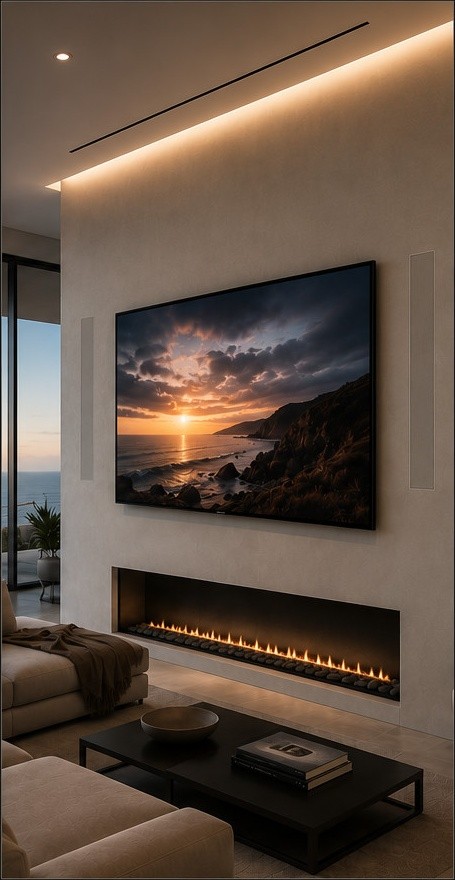
Sonos is a genuinely excellent wireless audio ecosystem — self-contained speakers, an app, and WiFi is most of what it takes to get music playing in a room. A professionally designed whole-home audio system solves a related but different problem: centralized, multi-zone amplification feeding wired in-wall and in-ceiling speakers throughout an entire property, engineered as part of the home rather than added to it room by room.
| Criteria | Sonos | Professional Whole-Home Audio |
|---|---|---|
| Architecture | Wireless, per-speaker (distributed) amps | Centralized matrix or multi-channel amplifiers |
| Speaker install | Self-contained units, plug-in power | Wired in-wall/in-ceiling, built into the home |
| Setup | Self-install via app | Professionally designed and installed |
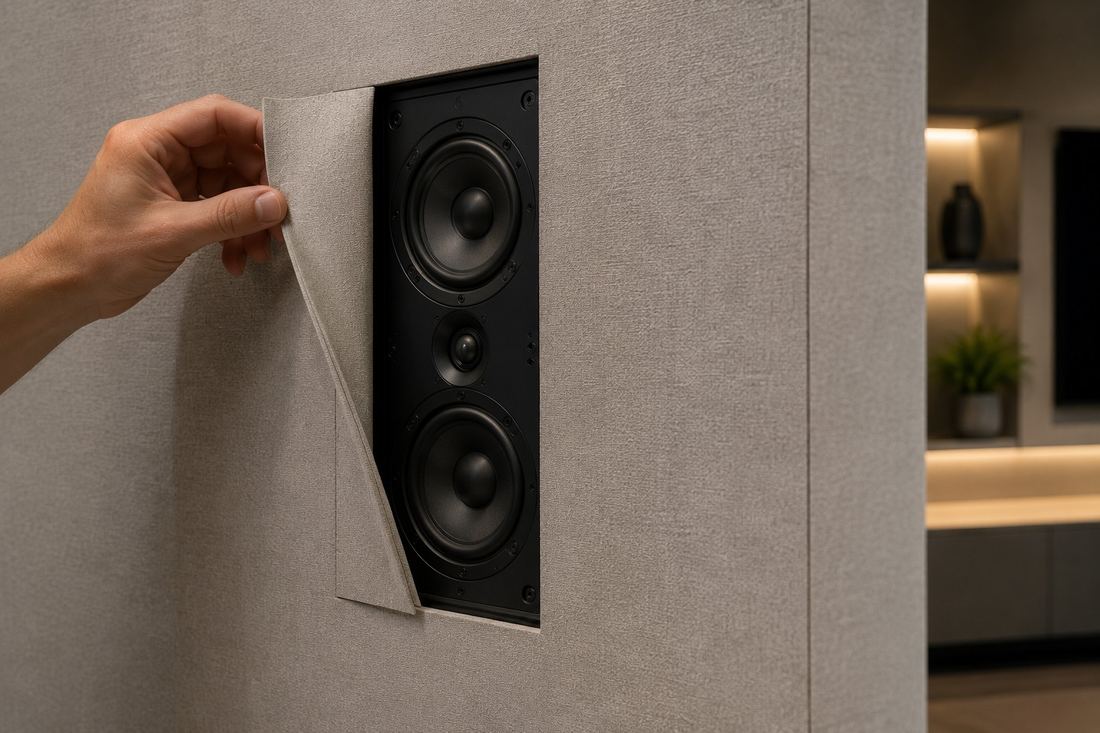
| Visual footprint | Visible speaker units in each room | Invisible, flush-finished speakers |
| Scale | Great for a handful of rooms | Built for whole-estate, dozens of zones |
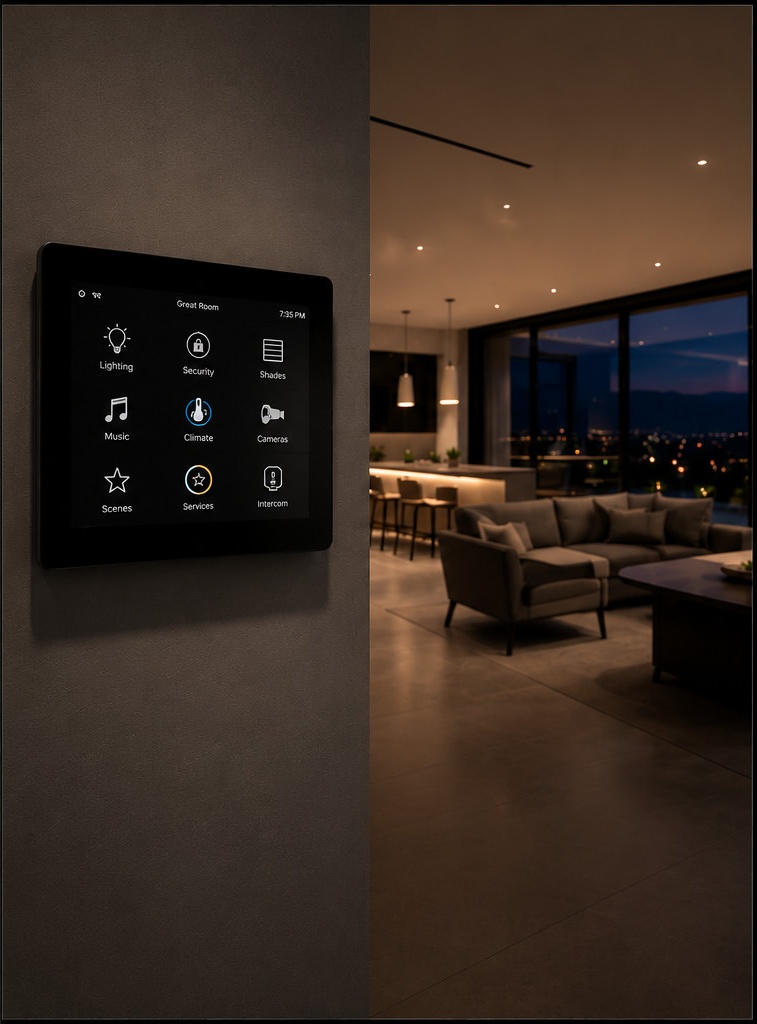
| Integration | Standalone app-based ecosystem | Native integration with Control4 & similar |
Sonos redesigned its app in 2024 in a rollout that stripped out features and caused real reliability problems for existing customers — a rocky period the company has spent the time since working to repair, with steady incremental updates continuing into 2026. It's worth knowing as context, not a dealbreaker: Sonos remains a strong ecosystem, but it's a reminder that any wireless, app-dependent system carries a dependency a hardwired, centrally processed system doesn't.
A professionally engineered system, integrated with a platform like Control4, isn't tied to a single consumer app's release cycle in the same way — the hardware and programming are designed and controlled as part of the home's broader automation system.
Sonos is a genuinely good fit for a secondary space, an apartment, or a room where running new wire isn't practical. For a primary residence or estate where audio needs to be invisible, reliable, and integrated with the rest of the home's automation, a professionally designed whole-home system is the stronger long-term investment.
Yes — it's common to use Sonos in a secondary space like a home office or guest room while the primary living spaces run on a wired, professionally installed system.
Sonos depends on WiFi and its own app in a way a wired, centrally processed system doesn't — the 2024 app redesign and its aftermath are a real example of that dependency showing up for existing customers.
Sonos Amp can drive passive in-wall or in-ceiling speakers, but the Amp itself is still WiFi-networked and app-controlled — architecturally distinct from a true centralized matrix-amplifier system.
It depends on the home and how permanent the installation needs to be. For a primary residence you're building or renovating, the invisible finish and integration of a wired system is usually worth the added planning.
Read the complete Whole-Home Audio Guide, or talk to a Luxury Technology Advisor about the right system for your property.
Read The Whole-Home Audio Guide